
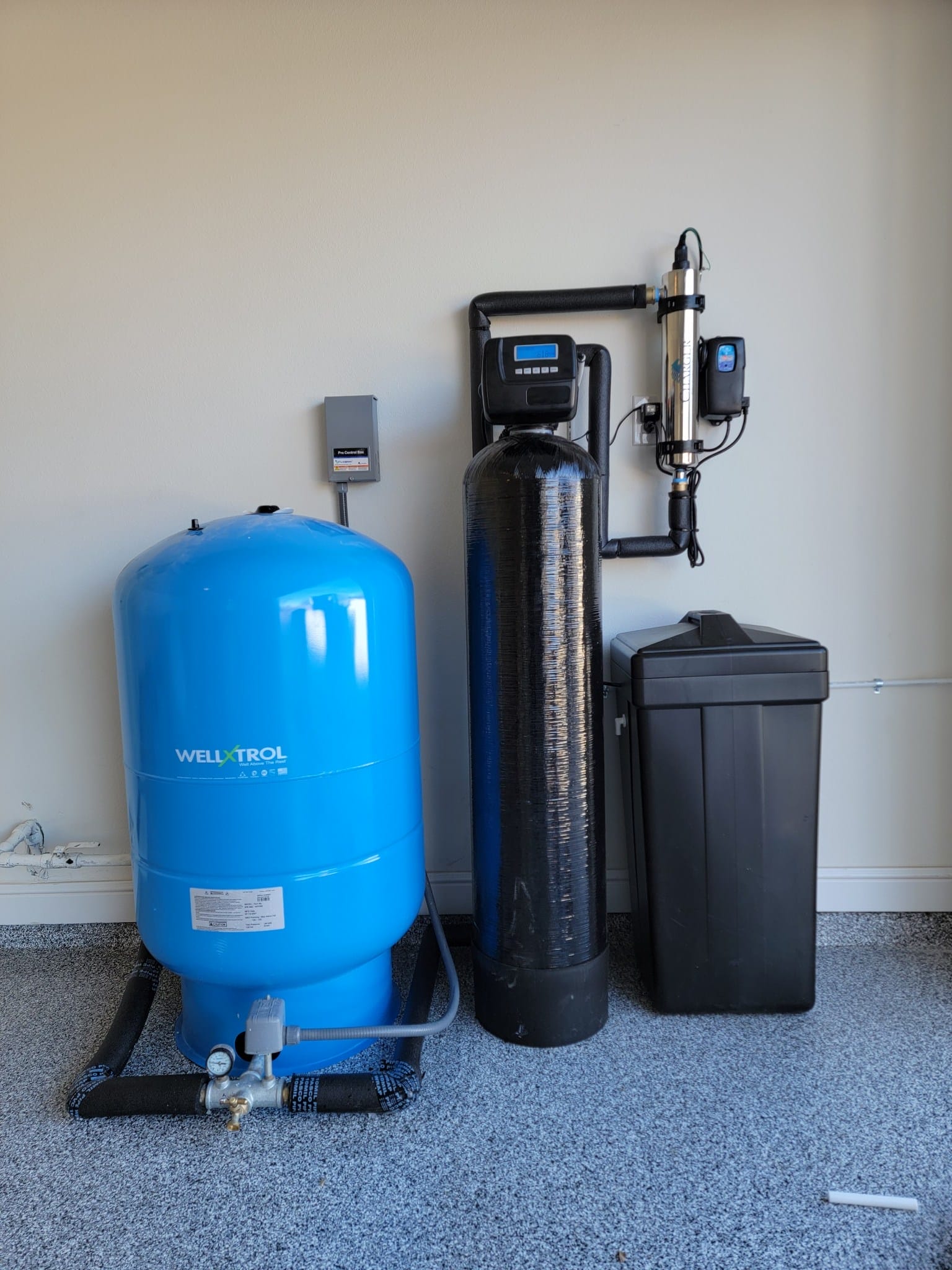
Access to clean and safe water is essential for every household. Whether you’re looking to improve your drinking water or ensure your entire home’s water supply is clean, selecting the right water filtration system is crucial. This article aims to guide you through the process of choosing the best water filtration system for your home, tailored to your specific needs.
Understanding Your Water Quality
Before selecting a filtration system, assessing your water quality is vital. Knowing whether your water comes from a municipal source or a private well can determine the contaminants you need to filter out. Common contaminants include lead, chlorine, and bacteria, as well as newer concerns like PFAS, often found in different concentrations depending on your region.
You can start by requesting a water quality report from your local municipal water provider or conducting a home water test to gauge the specific contaminants present. This step helps tailor the filtration system to your local water quality and ensures better health safety standards.
Types of Water Filtration Systems
There are several water filtration options available, each suited for different household needs:
- Whole-House Systems: Comprehensive and suited for filtering all incoming water in your home, these systems ensure every faucet and shower offers clean water. They’re beneficial for families concerned about overall water quality but come at a higher initial investment.
- Reverse Osmosis Systems: These are among the most thorough methods, removing most contaminants, including dissolved solids. They are perfect for households that prioritise drinking water quality but can waste water during the process.
- Salt-Free Water Softeners: These systems condition water without the use of salt, making them an eco-friendly option. They work by altering the structure of minerals, reducing the likelihood of scale build-up. Ideal for those concerned about sodium intake or environmental impact, but may not be as effective in very hard water regions.
- Bottleless Water Coolers: Ideal for homes looking for convenience, these provide filtered water on demand without the hassle of water delivery. They’re space-saving options for kitchens and offices.
- Commercial Water Filtration: Designed for businesses, these systems ensure that employees and customers have access to clean water, crucial for any operation prioritizing health standards.

Key Factors to Consider When Choosing a System
To make an informed decision, consider the following factors:
- Contaminant Removal Needs: Ensure the system targets your specific water quality issues.
- Household Size and Water Usage: Choose a system based on your household’s water consumption needs.
- Budget: Balance upfront costs with long-term maintenance expenses, such as filter replacements.
- Installation and Space Requirements: Determine if you prefer a DIY installation or need professional help; also consider the available space.
- Certification Standards: Look for systems with NSF/ANSI certifications to ensure quality and performance.
- Environmental Impact: Consider the waste generated through filtration, especially in systems like reverse osmosis, and the disposal methods of used filters.
Maintenance and Long-Term Care
Proper maintenance is key to extending the lifespan of your water filtration system. Regular filter replacements and thorough system cleaning prevent the buildup of contaminants and ensure water quality remains high. Follow the typical maintenance schedules that vary depending on the type of system:
- Under-Sink and Countertop Filters: Replace every six months.
- Whole-House Systems: Service annually for optimal performance.
- Reverse Osmosis: Replace pre-filters every 6-12 months, and RO membranes every 2-3 years.
Simple tips like setting reminders for filter changes and using the manufacturer’s service can help in maintaining the desired quality of filtration.
Conclusion
Choosing the right water filtration system involves several steps: testing your water, understanding your needs, comparing systems, and considering your budget and space. Prioritizing water quality is essential for health and safety. Start today by researching the best systems for your home or testing your water supply to make an informed decision.
Ready to explore your options? Get a free quote today and find out what’s in your water, or start your water delivery service with Texas Water House and bring clean water home!