
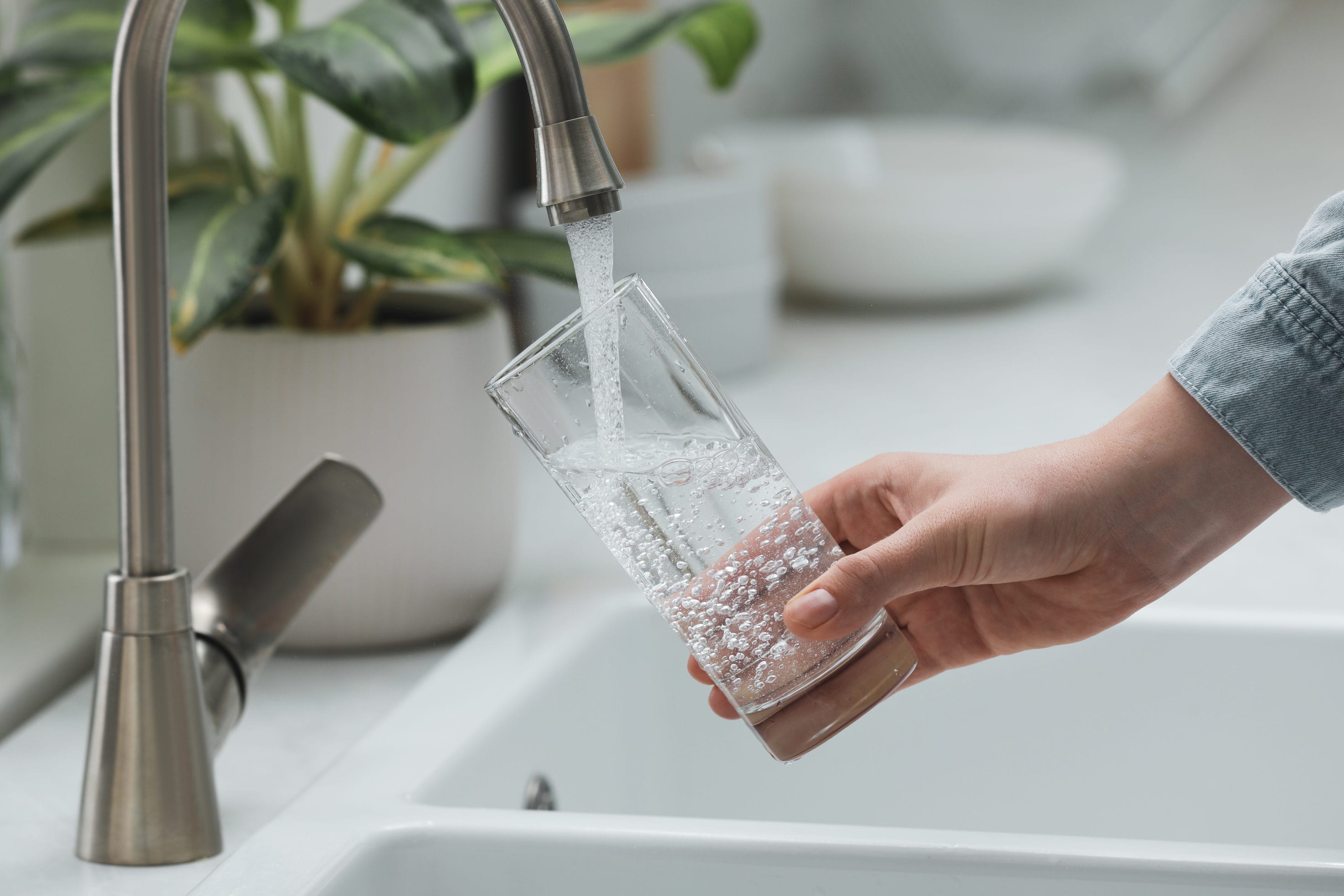
Your water softener system works hard to protect your plumbing from mineral buildup, but it requires regular attention to remain as efficient as possible. Ignoring routine care can shorten the water softener system’s lifespan and allow hard water issues to return. From monitoring salt levels to scheduling professional inspections, understanding the right maintenance steps ensures your unit continues providing softer, cleaner water for your household without unexpected interruptions.
Do Water Softeners Require Annual Service?
While homeowners can easily handle basic tasks like refilling salt, professional annual service is highly recommended to keep your water softener system running at peak efficiency. Over time, internal components like the venturi valve and resin bed can become fouled with sediment or iron, reducing the system’s effectiveness.
A yearly inspection allows a technician to clean these intricate parts, optimize your regeneration settings, and test water hardness levels to ensure everything is functioning correctly. Investing in this preventative maintenance not only extends the lifespan of the unit but also helps avoid pricey repairs down the road.
How Do I Sanitize My Water Softener System?
Sanitizing your water softener is necessary if the system has been idle for an extended period or if you detect unpleasant odors in your water. This process helps eliminate bacteria buildup within the resin bed that can compromise water quality. However, because using the wrong chemicals or concentration can damage the resin beads and void your warranty, we strongly advise having a certified technician perform this service.
Effective sanitization typically involves the following steps:
- Isolating the system: Placing the unit in bypass mode to ensure no cleaning agents enter your home’s plumbing during preparation.
- Applying solution: Adding a specific, manufacturer-approved amount of bleach or sanitizer to the brine well.
- Manual regeneration: Triggering a manual recharge cycle to draw the solution through the resin tank for deep cleaning.
- Final flush: Running a complete rinse cycle to remove all chemical residue before safe usage resumes.
What Are Signs My Water Softener Needs Maintenance?
Even with consistent care, your water softener system can develop issues that compromise its efficiency. Often, the system won’t fail completely but will show subtle symptoms indicating the resin bed is exhausted or mechanical components are wearing out. Catching these red flags early helps you avoid expensive repairs and keeps your water quality consistent.
Watch for these common indicators that your system requires attention:
- Soap failing to lather: If you need significantly more soap or shampoo to get a rich foam, hard water has likely returned.
- Spots on glassware: Dishes and glasses that come out of the dishwasher with cloudy films or distinct spots indicate high mineral content.
- Stiff laundry and dry skin: Towels feeling scratchy and skin feeling tight or itchy after showering are classic signs of ineffective softening.
- Reduced water pressure: A noticeable drop in flow rate often indicates a clogged resin bed or a fouled intake filter.
- Salty tasting water: This suggests the system is failing to rinse fully after the regeneration cycle.
- Stagnant salt levels: If the salt level in the tank never drops, a hard “salt bridge” may have formed, preventing proper brine production.
How Often Should Water Softener Resin Be Replaced?
Water softener resin is the heart of the system, but it does not last forever. Typically, a high-quality resin bed should last between 10 to 15 years before needing replacement. However, this timeline depends heavily on the quality of the water entering your home.
High levels of chlorine act as an oxidizer that breaks down the resin beads over time, turning them into a mushy consistency that restricts water flow, while excessive iron can foul the beads permanently. If you notice yellow, sand-like fragments in your faucet aerators or if the water remains hard despite regular salt refills and regeneration cycles, the resin likely needs to be re-bedded by a professional.
How Long Does a Water Softener Last With Proper Maintenance?
With diligent upkeep, a quality water softener system can last anywhere from 10 to 20 years, though most systems begin to lose efficiency around the 15-year mark. The longevity of the unit largely depends on the complexity of its valve and control head, as these mechanical parts are prone to wear and tear over time.
Regular maintenance, such as cleaning the venturi valve and preventing salt bridges, is crucial for reaching the upper end of that lifespan. Eventually, the cost of replacing major components like motors, circuit boards, or the resin bed may exceed the value of the unit, at which point investing in a modern, more efficient system becomes the smarter financial choice.
Simplify Water Softener Upkeep With Expert Service
Don’t let the burden of system upkeep disrupt your daily routine. We believe in a “set-it-and-forget-it” approach, utilizing advanced salt-level monitoring and expert oversight from our in-house master plumbers to catch potential issues before they become expensive repairs. Experience true peace of mind knowing your investment is protected by a team with over 54 years of trusted local experience. Contact us today to inquire about our proactive maintenance plans and keep your water softener running perfectly year-round.